“Não farás para ti imagem de escultura, … Não te encurvarás a elas nem as servirás; …” – Êxodo 20:4 e 5
A Bíblia deixa claro que não devemos adorar imagens nem as substituir pelo próprio Deus. Quando o Senhor deu os mandamentos, sua preocupação principal era impedir que Seu povo colocasse a criação no lugar do Criador. A idolatria acontece quando uma imagem ou pessoa (viva ou morta), recebe honra, devoção ou confiança que pertencem somente a Deus. Veja o que diz em Isaías 42:8 “A minha glória, não a darei a outro, nem o meu louvor às imagens de escultura.”.
É importante saber que há uma diferença entre usar imagens para adoração e utilizar objetos apenas como símbolos de fé. Em Josué 4, o povo ergueu doze pedras como memorial, e não como objeto de culto. Esse registro nos lembra que símbolos podem servir para recordar verdades espirituais. Veja a confirmação disso em Josué 4:6 “Para que isto seja por sinal entre vós.”.
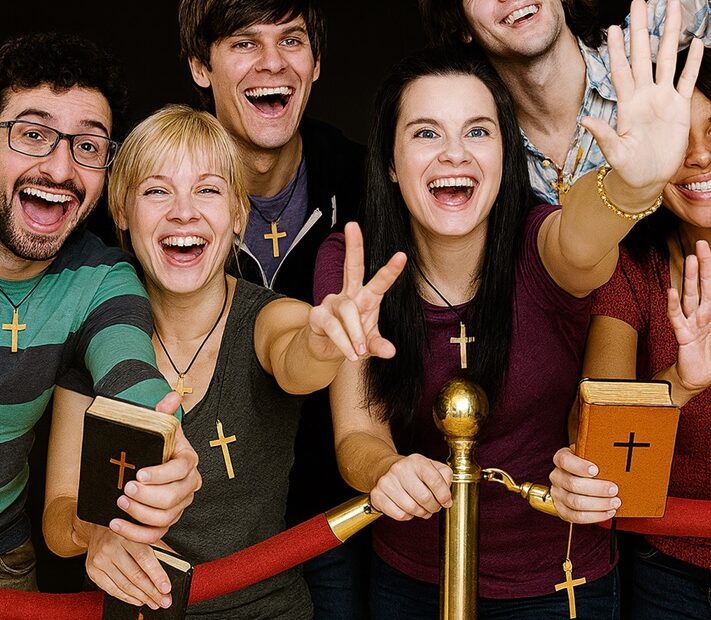
Sobre o uso da cruz ou crucifixo nas igrejas, ela não é um objeto de adoração, mas um símbolo da obra de Cristo que nos salvou. A cruz nos lembra do sacrifício de Jesus e aponta para a mensagem do evangelho. Veja o que o Apóstolo Paulo diz em Gálatas 6:14 “Quanto a mim, que eu jamais me glorie, a não ser na cruz de nosso Senhor Jesus Cristo.”. Portanto, a questão não é a existência da cruz, mas o coração — se ela é símbolo que aponta para Cristo, ou se vai virar objeto de devoção no lugar Dele.
Lembre-se: Colocar qualquer coisa ou pessoa no lugar que só pertence a Deus é pecado de idolatria.
Quer saber mais sobre este assunto? Veja em:
 English Translation
Can We Use Images in Worship Services? What About the Cross?
“You shall not make for yourself a carved image… you shall not bow down to them nor serve them.” – Exodus 20:4–5
The Bible is clear that we must not worship images or replace God with anything made by human hands. When the Lord gave the commandments, His main concern was to prevent His people from placing creation in the place of the Creator. Idolatry happens when an image or person (living or dead) receives honor, devotion, or trust that belongs only to God. See what Isaiah 42:8 says: “I will not give my glory to another or my praise to idols.”
It is important to understand that there is a difference between using images for worship and using objects merely as symbols of faith. In Joshua 4, the people raised twelve stones as a memorial, not as an object of worship. This record reminds us that symbols can serve as reminders of spiritual truths. See its confirmation in Joshua 4:6: “This will be a sign among you.”
Regarding the use of the cross or crucifix in churches, it is not an object of worship but a symbol of the work of Christ that saved us. The cross reminds us of the sacrifice of Jesus and points to the message of the gospel. See what the Apostle Paul says in Galatians 6:14: “But God forbid that I should boast except in the cross of our Lord Jesus Christ.” Therefore, the issue is not the existence of the cross, but the heart — whether it is a symbol that points to Christ, or whether it will become an object of devotion in His place.
Remember: placing anything or anyone in the place that belongs only to God is the sin of idolatry.
 中文翻译(简体)
我们可以在敬拜中使用图像吗?十字架又如何呢?
“不可为自己刻雕像…不可跪拜那些像,也不可事奉它们。”— 出埃及记 20:4-5
圣经清楚教导我们不可敬拜图像,也不可用任何受造之物取代神。当主颁布诫命时,祂主要的关切是防止祂的子民把受造物放在造物主的位置。偶像崇拜发生在一个图像或某人(活着或死了)得到原本只属于神的尊荣、敬拜或信靠之时。正如以赛亚书 42:8 所说:“我的荣耀,我必不归给假神,我的赞美也不归给雕刻的偶像。”
重要的是,我们要明白用图像敬拜与使用物件作为信仰象征是不一样的。在约书亚记第 4 章,以色列人设立十二块石头作为纪念,并不是当作敬拜的对象。这段记载提醒我们,象征可以作为属灵真理的提醒。经文在约书亚记 4:6 也证实了这一点:“这必在你们中间作为证据。”
关于教会中使用十字架或苦像(带耶稣像的十字架),它不是敬拜的对象,而是象征基督拯救我们的工作。十字架提醒我们耶稣的牺牲,指向福音的信息。正如使徒保罗在加拉太书 6:14 所说:“但我断不以别的夸口,只夸我主耶稣基督的十字架。”因此,问题不在于十字架是否存在,而在于我们的心 —— 它是指向基督的象征?还是会取代基督成为敬拜的对象?
请记住:把任何事物或任何人放在只有神才配得的位置,就是偶像崇拜。