
Pular para o conteúdo
Início » Artigos » Os Mandamentos Falam de Maldição Hereditária?

Os Mandamentos Falam de Maldição Hereditária?

“O meu povo foi destruído, porque lhe faltou o conhecimento; …” – Oséias 4:6

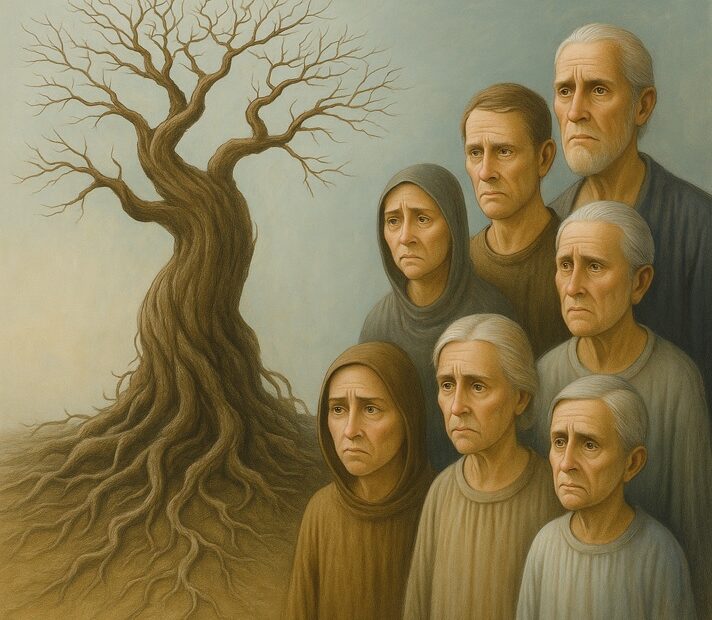
Em Êxodo 20:5-6, Deus alerta que visita “a iniquidade (perversidade – pecado) dos pais nos filhos até a terceira e quarta geração daqueles que me desprezam, mas mostra bondade até mil gerações dos que me amam e guardam os meus mandamentos”. Isso não significa que os filhos são culpados pelos pecados dos pais, mas que os erros praticados em uma geração podem trazer consequências para as seguintes. Por exemplo, a idolatria, a violência ou vícios dos pais podem influenciar o ambiente em que os filhos crescem e afetar suas vidas.

Por outro lado, em Ezequiel 18:20, o Senhor esclarece: “Aquele que pecar é que morrerá. O filho não levará a culpa do pai, nem o pai levará a culpa do filho”. Aqui fica evidente que diante de Deus cada pessoa é responsável por suas próprias escolhas. Assim, não existe uma maldição hereditária no sentido de uma condenação espiritual automática transmitida de pai para filho. Cada um será julgado individualmente segundo as suas atitudes diante do Senhor.

A boa notícia é que em Cristo podemos romper com qualquer herança de pecado. A Bíblia diz em 2ª Coríntios 5:17: “Portanto, se alguém está em Cristo, é nova criação. As coisas antigas já passaram; eis que surgiram coisas novas!”. Isso significa que ninguém precisa permanecer preso às marcas do passado, mas pode ter uma nova vida em Jesus, livre de toda acusação e cheio de esperança.

🇺🇸 English Translation

Do the Commandments Speak of Generational Curses?

“My people are destroyed for lack of knowledge; …” – Hosea 4:6

In Exodus 20:5-6, God warns that He “punishes the children for the iniquity (perversity – sin) of the parents to the third and fourth generation of those who hate Me, but shows love to a thousand generations of those who love Me and keep My commandments.” This does not mean that children are guilty of their parents’ sins, but that the errors committed in one generation can bring consequences to the next. For example, idolatry, violence, or addictions of the parents can influence the environment in which the children grow and affect their lives.

On the other hand, in Ezekiel 18:20, the Lord clarifies: “The one who sins is the one who will die. The child will not share the guilt of the parent, nor will the parent share the guilt of the child.” Here it becomes clear that before God each person is responsible for their own choices. Thus, there is no generational curse in the sense of an automatic spiritual condemnation passed from parent to child. Each one will be judged individually according to their actions before the Lord.

The good news is that in Christ we can break free from any inheritance of sin. The Bible says in 2 Corinthians 5:17: “Therefore, if anyone is in Christ, the new creation has come: The old has gone, the new is here!” This means that no one needs to remain bound to the marks of the past but can have a new life in Jesus, free from all accusation and full of hope.

🇨🇳 中文翻译(简体)

诫命是否谈到遗传的咒诅?

“我的民因无知识而灭亡; …” – 何西阿书 4:6

在出埃及记 20:5-6 中,神警告说祂“必追讨恨祂之人的父辈罪孽,自父及子,直到三四代;但向爱祂、守祂诫命的人,施慈爱,直到千代。” 这并不意味着儿女要为父母的罪负责,而是说一代所犯的错误可能会给下一代带来后果。比如,父母的偶像崇拜、暴力或恶习,会影响孩子成长的环境,并对他们的生活产生影响。

另一方面,在以西结书 18:20,主说明:“惟有犯罪的,他必死亡。儿子必不担当父亲的罪孽,父亲也不担当儿子的罪孽。” 这里清楚地表明,在神面前,每个人都要为自己的选择负责。因此,并不存在所谓的“遗传的咒诅”,即从父母自动传给儿女的属灵定罪。每个人都要按着自己在主面前的行为,单独受审判。

好消息是,在基督里我们可以打破一切罪的遗传。圣经在哥林多后书 5:17 说:“若有人在基督里,他就是新造的人;旧事已过,都变成新的了。” 这意味着没有人需要永远被过去的烙印捆绑,而是可以在耶稣里得着新生命,脱离一切控告,充满盼望。

1 comentário em “Os Mandamentos Falam de Maldição Hereditária?”

  1. Pingback: Como Jejuar 6 de 7 O Jejum é um Mandamento? » Deus te Abençoe

Não é possível comentar.